
Is Gold Over Silver Durable for Body Jewellery?
A fresh pair of gold-toned hoops can make a curated ear look feel instantly more polished. But once that piece becomes part of your everyday stack, the practical question follows: is gold over silver durable enough for body jewellery? The short answer is yes, it can be - but its lifespan depends on the quality of the gold layer, where you wear it and how you treat it.
Gold-over-silver jewellery offers the warmth of 18k gold with sterling silver at its core, making it a more accessible way to build a premium-looking collection. It is a beautiful choice for healed piercings, special occasion pieces and low-friction placements. It is not, however, the same as solid gold, and knowing the difference helps you choose a piece you will genuinely enjoy wearing.
Is gold over silver durable in a piercing?
Gold over silver is durable when it is well made and worn thoughtfully. In most cases, the sterling silver base gives the jewellery a reassuring weight and quality, while the gold plating creates the colour and finish you see. The plating is the part exposed to daily life, so it will naturally receive the most wear.
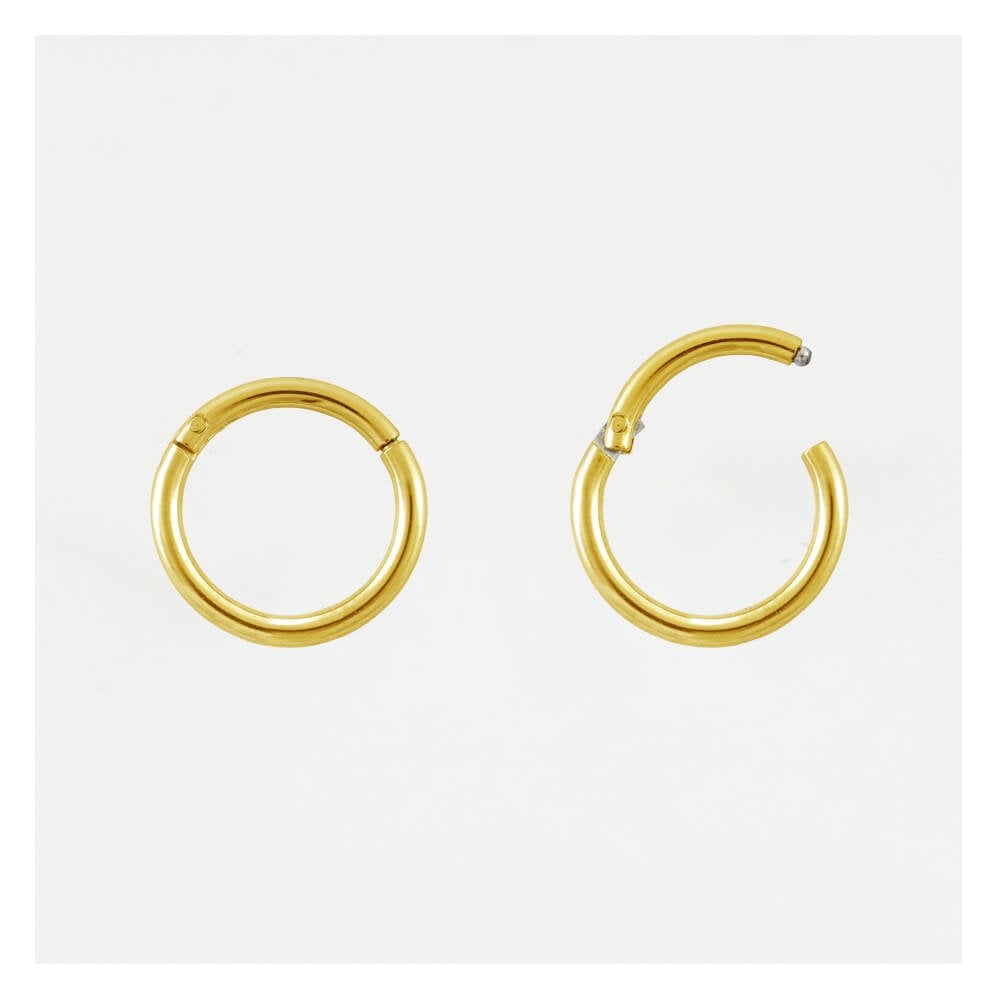
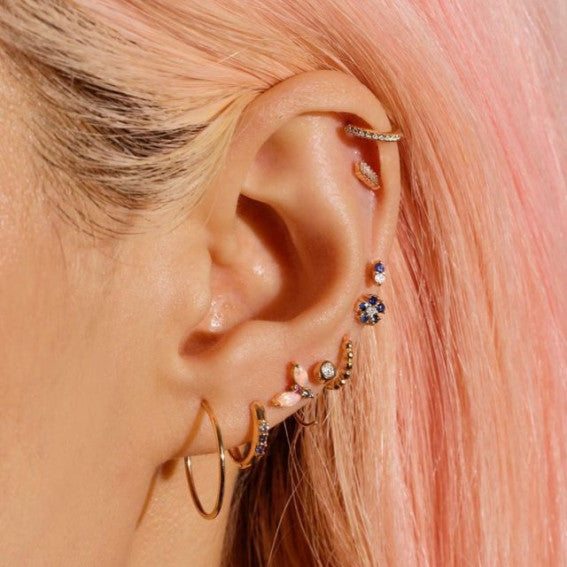
The main issue is friction. A gold-over-silver flatback worn in a well-healed conch piercing may stay looking lovely for a long time because it is relatively protected. A hoop worn in a lobe piercing can also wear well, although it is more likely to meet hair products, scarves, headphones and the occasional tug when changing clothes.
Placements that experience constant movement, pressure or moisture are harder on plated jewellery. Think snug piercings, high-contact helix styles, belly bars against waistbands, or nose jewellery touched frequently during skincare and make-up routines. The gold can gradually become thinner in these areas, eventually showing the silver beneath.
That does not mean you should avoid gold over silver. It means matching the jewellery to your lifestyle. If you want a gold look for an everyday, highly active piercing, choose a quality piece with a substantial coating and be prepared to rotate it. If you are choosing jewellery for a dinner, holiday, wedding or a more protected healed piercing, it can be an excellent option.
What does “gold over silver” actually mean?
The wording matters because several finishes can look similar at first glance. Gold over silver generally means a sterling silver piece coated with gold. The process may be described as gold plated sterling silver, gold vermeil or, less precisely, gold coated.
Gold vermeil has a sterling silver base and usually a thicker layer of gold than standard flash plating. This is often the better category to look for if durability is your priority. A thicker plating gives you more time before everyday friction affects the finish. The karat of the gold also affects the colour: 18k gold has a rich, warm tone that works especially well in a mixed-metal ear stack.
Solid gold is different. It is gold all the way through, rather than a gold layer over another metal. It costs more, but there is no plating to wear away. Gold-filled jewellery is another construction, with a mechanically bonded gold layer, though it is less common in specialist body jewellery than plated sterling silver or solid gold.
A trustworthy product description should make the base metal and finish clear. That transparency is especially valuable with body jewellery, where a piece needs to look good, feel comfortable and be suitable for its placement.
Thickness is more useful than a vague gold label
A listing that simply says “gold” does not tell you enough. Ask whether it is solid gold or gold plated, and if it is plated, whether the base is sterling silver. Where available, look for plating thickness measured in microns. More microns generally means a more durable coating, although careful finishing and sensible wear still matter.
Very thin plating is ideal for a trend-led piece you expect to wear occasionally. For jewellery you plan to leave in for weeks, spend a little more on a well-finished gold vermeil design or consider solid gold for your forever piece. This is particularly worth considering for a favourite lobe hoop or a signature stud you never want to take out.
Where gold over silver works best
There is no single answer because every piercing and routine is different. Gold over silver tends to be most rewarding in healed ear piercings, especially lobe, helix, conch and tragus placements, where you can change the jewellery easily and give it a quick clean when needed.
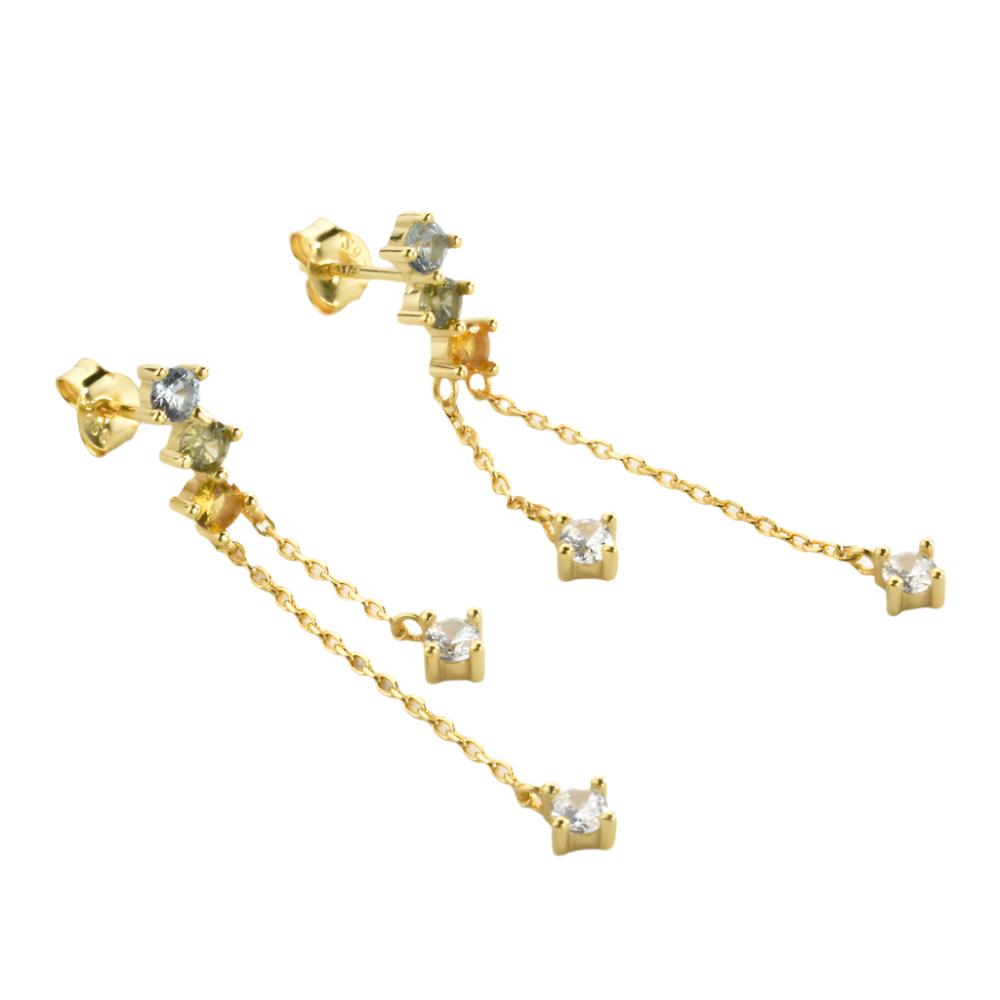
It is also a strong choice for necklaces, matching sets and decorative pieces that are not exposed to the same level of moisture and movement as an active piercing. A delicate gold-over-silver charm can add personality to a curated look without requiring the investment of solid gold across every piece.
For a newly pierced or irritated piercing, your piercer’s material advice should always come first. Fresh piercings usually need jewellery made from materials selected for body compatibility, with suitable sizing and a finish designed for the healing process. Plated jewellery is best saved until the piercing is fully healed and settled. This is not about the piece being inferior - it is about giving a healing piercing the most predictable environment possible.
If you have known metal sensitivities, be equally selective. Sterling silver may work beautifully for some people in healed piercings, but it is not the right choice for everyone. Once plating wears through, the base metal can come into contact with your skin, so solid gold or implant-grade titanium may be the more comfortable long-term choice for sensitive placements.
The everyday habits that shorten plating life
Plating does not usually fail overnight. It fades gradually, first at the edges, on the clasp, around a hoop’s curve or wherever jewellery rubs against skin or another piece. Perfume, hairspray, fake tan, moisturiser and cleaning products can speed that process up, particularly when they sit on the surface rather than being rinsed away.
Water is another factor. Taking jewellery into the shower once is unlikely to ruin it, but repeated exposure to shampoo, body wash and hot water is not ideal. Swimming pools and hot tubs are more problematic because chlorine can affect both the gold finish and the sterling silver underneath. Salt water can leave residue too.
Sleeping in plated pieces may be fine for some low-profile, comfortable ear jewellery, but it adds friction - especially if you sleep on the same side every night. If your hoop catches in your pillowcase or your flatback rubs against a firm travel pillow, give that piece a break. Small choices like this can make a visible difference over time.
How to make gold-over-silver jewellery last
The best care routine is simple and realistic. Put your jewellery on after skincare, make-up, perfume and hair products have dried. Remove it before swimming, showering, exercising or applying fake tan. When you take it out, wipe it gently with a soft, dry, non-abrasive cloth to remove oils and residue.
Avoid silver-dip cleaners, harsh polishing cloths and ultrasonic cleaners unless the manufacturer specifically recommends them. They can be too aggressive for gold plating. A little lukewarm water and mild soap may be suitable for a gentle clean when needed, but dry the jewellery thoroughly afterwards rather than leaving moisture around posts, hinges or charms.
Storage is just as useful as cleaning. Keep pieces separate in a soft pouch or lined compartment so that hoops, stones and charms are not scratching one another. If you regularly rotate your jewellery, you will also reduce wear on a single favourite while giving every part of your collection a chance to shine.
When it is time to replace or re-plate a piece
A little softening of the finish is normal on well-loved plated jewellery. If the colour changes noticeably, silver begins to show through, or the surface looks patchy, it may be time to retire the piece from daily wear. Do not keep wearing jewellery with rough, flaking or damaged areas in a piercing, as a smooth finish is kinder to the skin.
Some cherished sterling silver designs can be professionally re-plated, particularly jewellery with sentimental value. For fashion-led pieces, replacement is often the simpler route. This is where a curated collection helps: you can keep a solid gold or titanium staple in your most sensitive, everyday placement, then switch in gold-over-silver styles when you want a different shape, charm or seasonal detail.
At London Loves Body Jewellery, the best gold look is the one that suits both your piercing and your routine. Choose gold over silver for its rich finish and styling flexibility, care for it like the premium piece it is, and save your most hard-working placements for materials built to go the distance.