
Sterling Silver Piercing Jewellery Review
A silver huggie in a healed lobe, a tiny moon stud in a conch, a polished hoop in a nostril - the right piece makes a piercing feel like part of your outfit rather than an afterthought. But beautiful jewellery still has to earn its place in your ear or nose. This sterling silver piercing jewellery review looks at what 925 silver does well, where it needs a little more care, and how to choose styles that feel as good as they look.
Sterling silver has an appeal that never really dates. Its cool tone works with everything from a pared-back curated ear to Gothic charms, Western-inspired details and a gift-worthy matching set. It also gives you the look and weight of precious metal without the price of solid gold. For everyday styling in fully healed piercings, it can be a genuinely lovely choice.
What sterling silver actually means
Sterling silver is usually stamped 925, meaning it contains 92.5% pure silver and 7.5% other metals that give the piece strength. Pure silver is too soft for most detailed body jewellery, so this blend helps jewellery hold secure threads, fine settings, shaped charms and wearable curves.
That does not mean every silver-coloured piece is sterling silver. Fashion jewellery may be plated base metal, while silver plating can wear away and reveal what sits beneath. A genuine sterling silver piece has value beyond its finish: it is the metal itself, not just the colour on top.
The trade-off is that sterling silver naturally oxidises. Exposure to air, moisture, skincare, perfume and body oils can leave it looking darker or slightly dull. This is tarnish, not a sign that the jewellery is poor quality. With gentle care, sterling silver can regain its bright finish easily.
Sterling silver piercing jewellery review: comfort and wear
For a well-healed piercing, comfort comes down to material, polish, fit and how you wear the piece. A properly finished sterling silver hoop or stud should feel smooth against the skin, with no rough edges, poorly formed posts or snag-prone details. This matters especially in cartilage placements, where a small pressure point can become irritating very quickly.
Sterling silver works particularly well for healed lobe piercings and occasional wear in healed nostril or cartilage piercings, depending on your own skin sensitivity. It is a strong choice for the pieces that are visible and style-led: charm hoops, celestial studs, delicate chains and statement designs you want to change with your outfit.
However, sterling silver is not the automatic answer for every piercing and every stage of healing. Fresh piercings need jewellery selected by a professional piercer, usually in an implant-grade material suited to the healing process. Silver can tarnish and react with moisture, and it is not generally the first material a piercer will choose for a new or unsettled piercing.
If your piercing is still tender, crusting, swollen, recently downsized or prone to flare-ups, leave your original professional jewellery in place and speak to your piercer before changing it. The same advice applies if you have a known sensitivity to metal alloys. A beautiful new piece is never worth setting back the healing process.
The right placement changes the answer
Not all piercings live the same life. Lobes are often forgiving once fully healed, making them an ideal home for sterling silver studs, huggies and mini hoops. They are easy to clean, less likely to be knocked by hair or headphones, and offer plenty of room to layer pieces together.
Cartilage requires more thought. A helix, conch or tragus can catch on a towel, pillow, glasses or over-ear headphones. Choose a compact profile and check that a hoop’s diameter has enough room to sit comfortably without pressing into the ear. A piece that looks tiny online may feel tight once it follows the contour of your anatomy.
For nose jewellery, the gauge, post style and wearable length matter as much as the design. A nostril stud that sits flush and stays secure is more useful than a stunning decorative top that rotates, pokes or catches while you are getting dressed. If you are unsure, measure a favourite existing piece or ask your piercer to confirm your size before ordering.
Belly and nipple jewellery are more exposed to movement, fabric friction and moisture. Sterling silver can suit fully healed piercings for considered wear, but these placements demand excellent fit and sensible aftercare. Avoid jewellery that feels too tight, hangs heavily or rubs against waistbands and structured clothing.
Style is where sterling silver shines
Silver is brilliantly versatile because it can either blend in or take centre stage. A polished ball stud offers a clean, minimal finish. Add a crystal, heart, snake, star or charm and it becomes a focal point without losing that refined silver tone.
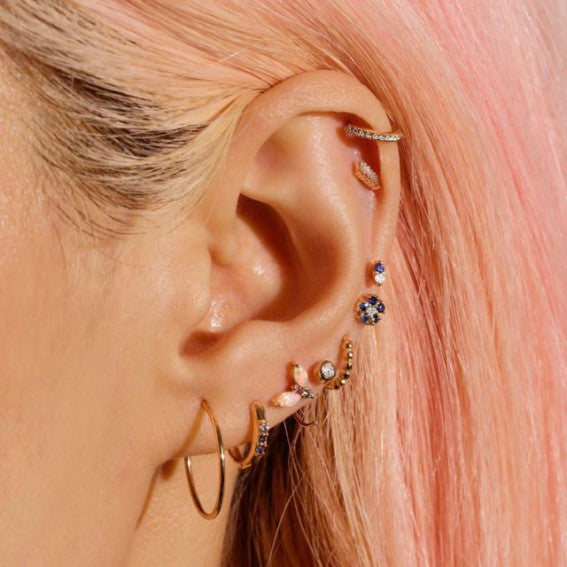
For a curated ear, start with one anchor piece such as a slightly larger lobe hoop or a detailed conch design. Then build around it with simpler textures: a plain huggie, a tiny stone stud and a subtle helix hoop. Matching every piece exactly can look overly uniform; mixing smooth metal, sparkle and one playful charm tends to feel more personal.
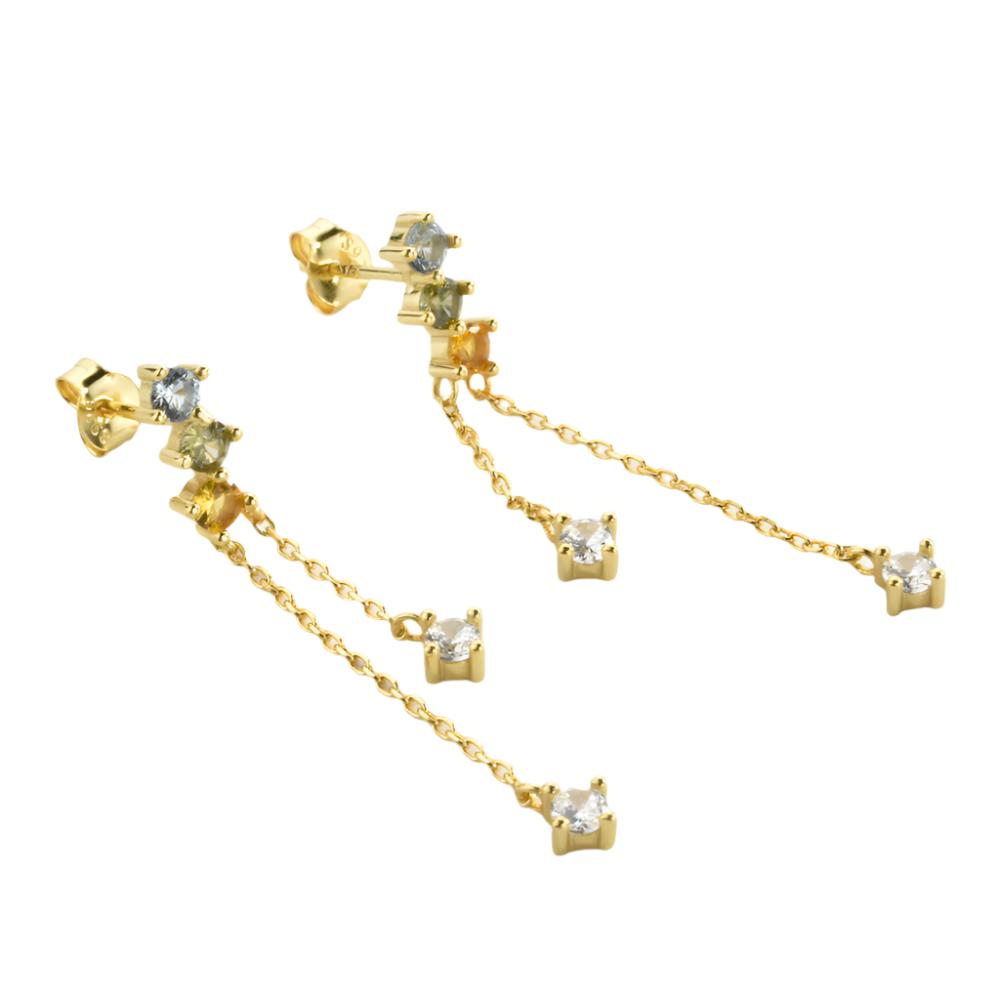
Sterling silver also makes gifting easier. It feels more considered than disposable fashion jewellery, yet leaves room for personality. Pet-inspired studs, seasonal motifs and celestial styles work well when you know someone’s taste but do not want to guess at a ring size.
How to assess quality before you buy
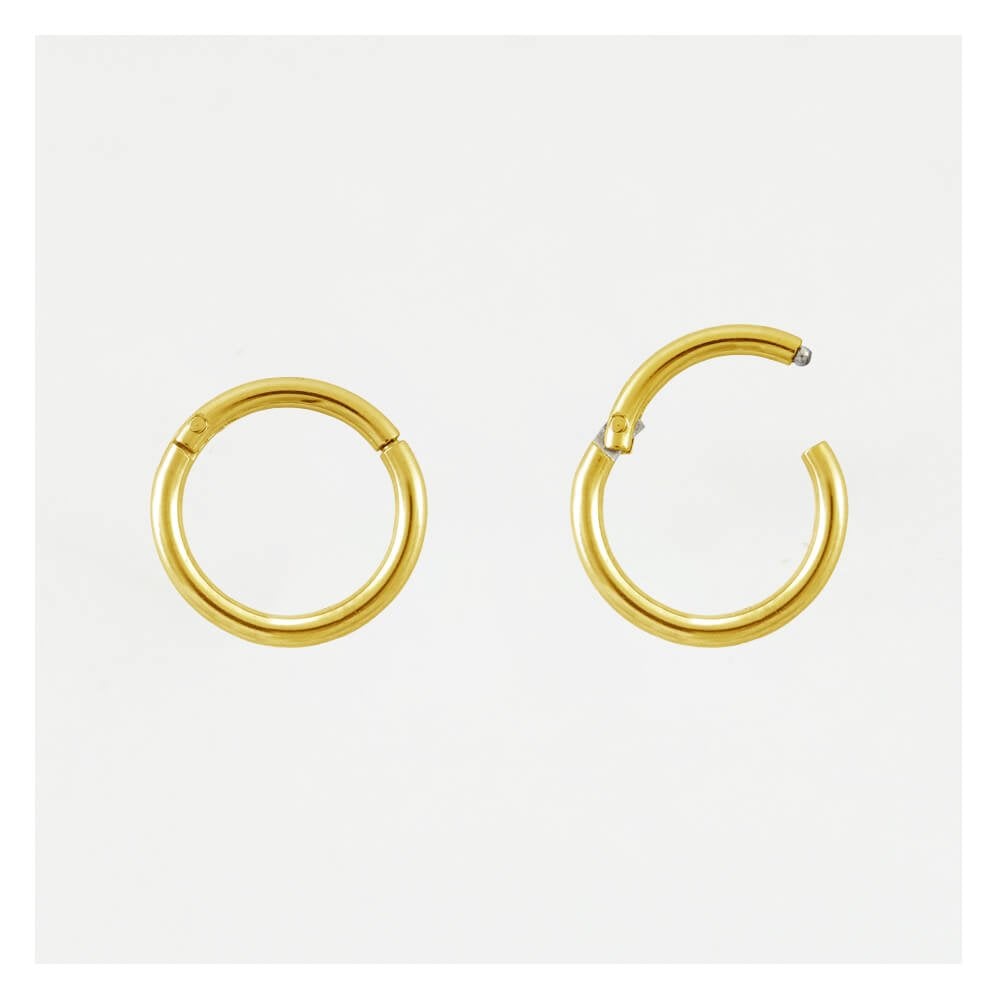
The quickest way to avoid disappointment is to look beyond the front-facing design. Check whether the item is clearly described as sterling silver or 925 sterling silver, rather than simply silver-toned. Look at the fastening too: hinged hoops, clickers, butterfly backs and screw fittings all have different benefits depending on the placement.
Pay attention to measurements. Hoop diameter, bar length, gauge and top size determine whether jewellery will sit neatly or feel awkward. A 6 mm hoop can look beautifully close on one lobe but be unsuitable for a thicker cartilage placement. Anatomy is individual, so measurements are guidance rather than a guarantee.
It is also worth considering your routine. If you swim often, train daily, use lots of hair products or rarely take jewellery out, a more low-maintenance material may suit your everyday piercing better. Sterling silver is ideal for many people, but it rewards a little care. That is part of owning a precious metal rather than throwaway jewellery.
Keeping sterling silver bright
Take sterling silver jewellery out before swimming, showering or applying perfume, fake tan, hairspray and body lotion where possible. Let skincare dry fully before putting it back in. This reduces residue and helps prevent unnecessary tarnishing.
Clean the jewellery gently with a soft, dry polishing cloth. For more stubborn dullness, use a silver-cleaning product suitable for the piece, particularly if it contains crystals, enamel or delicate detailing. Do not scrub at stones or use harsh household cleaners. Once clean and fully dry, store pieces separately in a dry pouch or jewellery box to limit scratches and air exposure.
Never force a closure or bend a post if it seems stiff. Piercing jewellery is small and precise, and an overly enthusiastic adjustment can damage the mechanism or create a sharp edge. If a fastening is unfamiliar, ask for help before wearing it.
London Loves Body Jewellery curates sterling silver styles with the same practical eye that experienced piercers bring to jewellery selection: the design matters, but so do the placement, proportions and finish. The best piece is not simply the prettiest one in your basket. It is the one that suits your healed piercing, your skin and the way you actually dress.
Choose sterling silver when you want a polished, personal finishing touch and are happy to give it a little care. Start with a piece you will reach for often, wear it in a fully healed placement that can accommodate it comfortably, and let your collection grow around what feels unmistakably like you.