
Sterling Silver vs Stainless Steel for Piercings
A new helix stud can look perfect in a product photo, then become the piece you never reach for if it dulls, feels heavy or simply is not right for your piercing. When choosing sterling silver vs stainless steel, the better metal depends on where you plan to wear it, whether the piercing is healed and how much care you want to give it. Both have a place in a well-curated jewellery collection, but they do very different jobs.
For everyday body jewellery, the material behind the design matters as much as the design itself. A polished silver moon, a tiny gothic charm or a classic ball stud should feel as good as it looks - especially in a piercing you wear from morning to night.
Sterling Silver vs Stainless Steel: the Key Difference
Sterling silver is a precious metal alloy made from 92.5% silver, usually blended with 7.5% other metals for strength. It is often marked 925. That high silver content gives it the bright, softly reflective finish people love: more luminous than steel, less yellow than gold and easy to style with almost anything.
Stainless steel is an alloy built for durability. In body jewellery, high-quality surgical or implant-grade stainless steel is commonly used because it is strong, smooth and resistant to everyday wear. It has a cooler grey-toned shine and generally needs far less upkeep than sterling silver.
The important point is that neither label tells the whole story. Not all stainless steel is equal, and not every piece described as silver is solid sterling silver. For piercings, quality, finish and suitability for the placement should always come before a tempting price tag.
Why Sterling Silver Feels More Special
Sterling silver is chosen for its look. It has a premium feel that makes even a small nose stud or delicate lobe hoop look considered rather than purely functional. It also works beautifully in detailed designs, from celestial charms and florals to hearts, animals and statement ear stacks.
For healed lobe piercings, sterling silver is a lovely option when you want jewellery that reads more like fine jewellery. It suits coordinated sets particularly well, letting you layer huggies, studs and charms without the look becoming too harsh or overly uniform. Silver also makes an easy gift: it feels elevated, is versatile to wear and has a timeless appeal beyond a single trend.
There is a trade-off. Sterling silver can tarnish. This is a natural surface reaction caused by air, moisture, skincare, perfume and body oils, rather than a sign that the metal is poor quality. Tarnish may appear as a darker or slightly yellowed film, especially if a piece has been kept in a bathroom or left unworn for a while.
That does not mean you need to avoid sterling silver. It simply means choosing it with realistic expectations. If you enjoy changing your jewellery, wearing special pieces for a night out, or building a polished lobe stack, its extra care is usually worth it.
Caring for sterling silver body jewellery
Take sterling silver out before swimming, showering or applying hairspray, perfume and lotions where possible. Wipe it gently with a soft, dry polishing cloth after wearing, then store it separately in a dry pouch or jewellery box. This reduces scratching and slows tarnishing.
Avoid harsh household cleaners and abrasive polishing products, particularly around stones, enamel or plated details. A gentle clean is enough to bring back the shine. If your piece develops tarnish, do not panic or bin it - careful polishing will usually refresh the surface beautifully.
Why Stainless Steel Wins on Practicality
Stainless steel is the dependable choice for jewellery that needs to keep up with everyday life. It is highly resistant to scratches, water exposure and discolouration, making it a practical material for simple lobe studs, nose jewellery and many styles of healed body piercing jewellery.
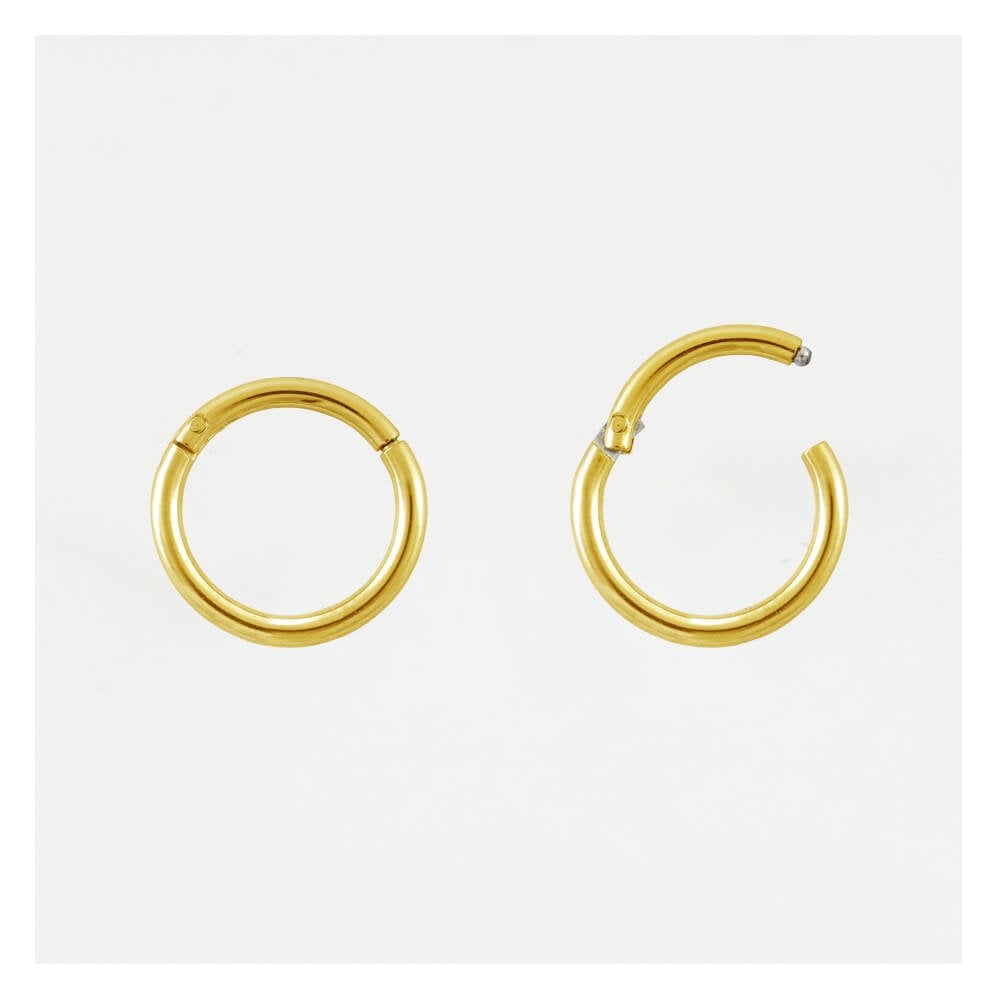
Its strength is particularly useful for pieces with threaded ends, curved bars and clicker rings. Steel holds its shape well, so it is a solid choice when you want a reliable staple rather than a delicate finishing touch. If your routine includes gym sessions, busy shifts, weekends away and little time for polishing, stainless steel is refreshingly low maintenance.
It is also usually more affordable than sterling silver. That can make it ideal for trying a new piercing placement, experimenting with a bolder look or keeping a few reliable backup pieces in your collection.
But “surgical steel” should not be treated as a blanket promise that every wearer will get on with it. Stainless steel can contain nickel. Many people wear quality steel comfortably, but anyone with a known nickel sensitivity, unexplained irritation or a history of reacting to costume jewellery should be cautious. A professional piercer can help you identify a more suitable material for your individual needs.
Is stainless steel suitable for new piercings?
For a fresh piercing, do not choose solely based on colour or price. Initial jewellery needs to be selected by a professional piercer according to the placement, swelling allowance and the metal specification. Implant-grade materials are commonly preferred for new piercings because they are made to recognised standards and are designed with body contact in mind.
Sterling silver is generally not recommended for fresh or unhealed piercings. It can oxidise, and the alloy metals may cause irritation in a healing channel. Save your sterling silver styles for once the piercing is fully healed and settled, unless your piercer gives you specific advice otherwise.
Even with healed piercings, listen to your body. Persistent redness, itching, tenderness or discharge is not something to cover up with a new decorative piece. Switch back to proven, appropriate jewellery and seek advice from a reputable piercer or healthcare professional where needed.
Which Metal Suits Each Piercing?
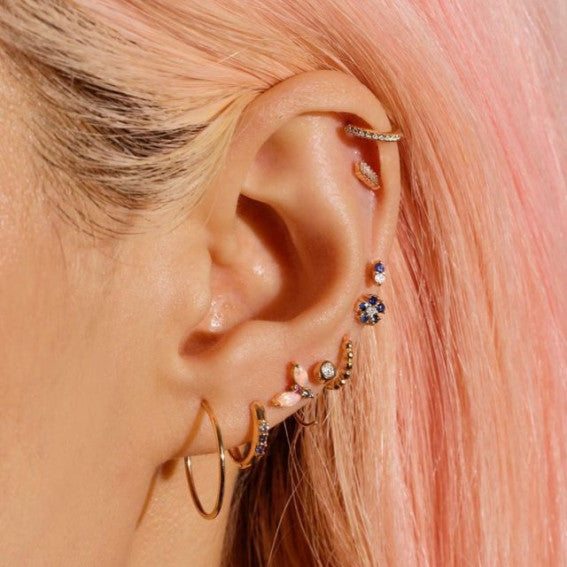
Placement changes the answer. Earlobes are often the most forgiving once fully healed, making them a natural home for sterling silver huggies, charm hoops and statement studs. If you want the soft glow of silver in a curated ear, lobe jewellery is the place to enjoy it.
Cartilage piercings such as helix, tragus, conch and rook can be more temperamental. They are exposed to pressure from sleeping, headphones and hair, so a smooth, well-fitted piece in an appropriate body-safe material is essential. Stainless steel can be a practical choice for healed cartilage if you tolerate it well, while sterling silver is better reserved for occasional wear in fully healed placements and carefully checked for fit.
For nose, navel and nipple jewellery, comfort and construction matter enormously. A beautiful design is only a good choice if the bar length, gauge, closure and shape suit the piercing. Stainless steel’s durability can make it useful for everyday wear, but sensitivity and the specific quality grade remain central to the decision.
Choosing Beyond the Metal Label
The most stylish jewellery is jewellery you can wear comfortably. Before adding a piece to your basket, consider four things: whether your piercing is fully healed, the jewellery’s measurements, your known metal sensitivities and how often you want to clean and change it.
Look closely at the entire piece, not only the front-facing decoration. A smooth post, secure fastening and sensible shape can make a bigger difference to daily comfort than a larger stone or more elaborate charm. This is where specialist body jewellery earns its place over generic fashion accessories: it is selected with real placements in mind.
At London Loves Body Jewellery, we know a great ear stack or piercing look should not ask you to compromise between style and suitability. Sterling silver offers that dressed-up, jewellery-box finish, while stainless steel brings everyday confidence and durability. They are not rivals so much as different options for different moments.
If you love the look of sterling silver but want a lower-maintenance everyday piece, build your collection around dependable staples and add silver for the details that make an outfit feel yours. Choose the piece that suits your piercing first, then let your style do the rest.