
Which Metal Is Best for Piercings? Expert Advice
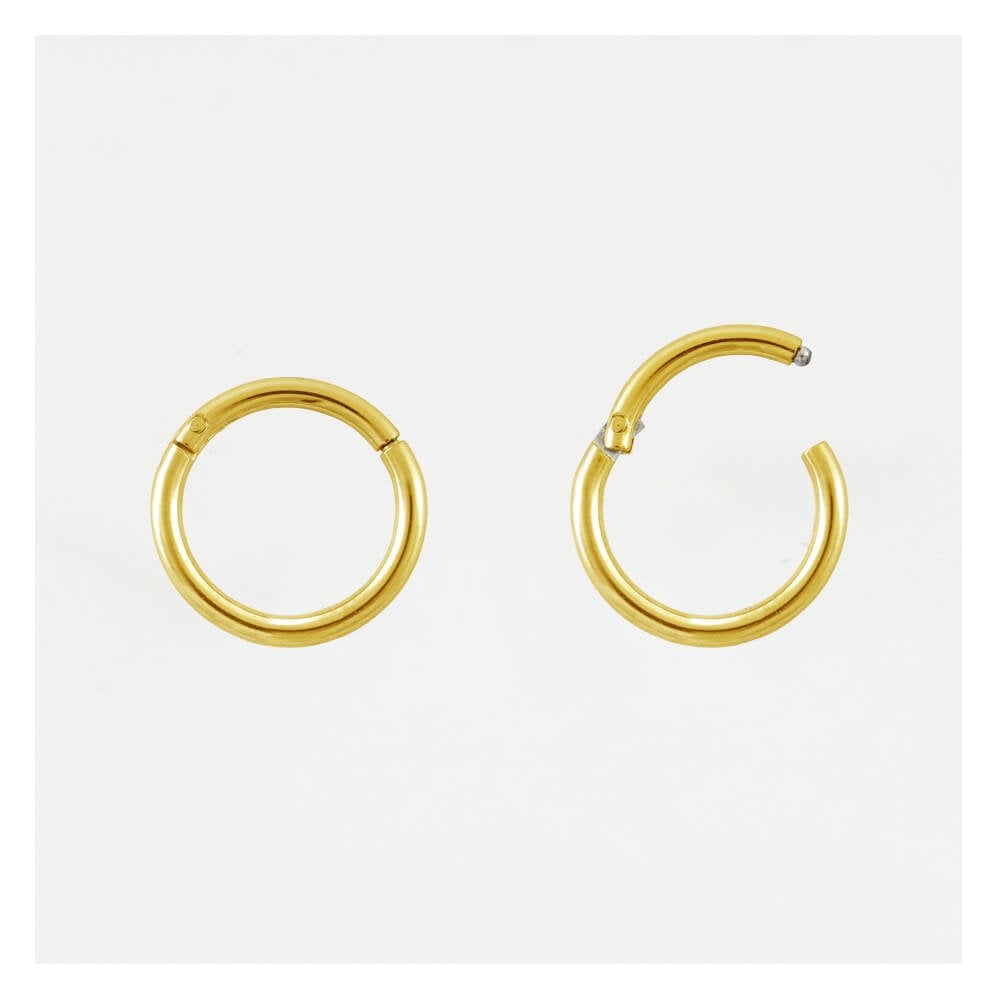
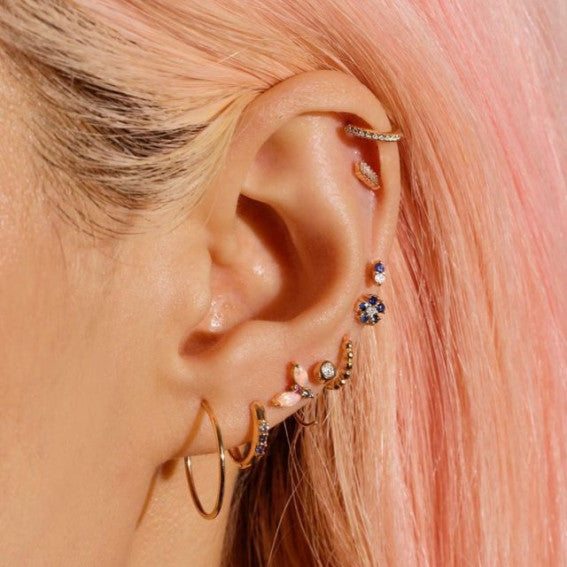
A beautiful new ear stack should feel as good as it looks. So, which metal is best for piercings? The honest answer depends on whether your piercing is fresh or healed, where it sits, and how your skin reacts to certain alloys. A dainty gold hoop may be perfect for a settled lobe piercing, while a newly pierced helix needs a material chosen first for safety, not sparkle.
The metal matters because body jewellery stays close to the skin for long periods. The wrong choice can mean irritation, discolouration, soreness or a piercing that simply refuses to settle. The right one gives you comfort, confidence and the freedom to build a look you genuinely want to wear every day.
Which metal is best for piercings? Start with healing
For a fresh piercing, implant-grade titanium is generally the first choice. It is lightweight, highly resistant to corrosion and usually free from the nickel that can trigger sensitivity. A professional piercer may also fit suitable solid gold jewellery for certain new piercings, provided it is a verified, body-safe alloy and the piece has the right finish and fit.
Fresh piercings are not the time for mystery metals, plated pieces or jewellery saved from a high-street multipack. Even if a piece looks lovely, a rough surface, poor-quality coating or unsuitable alloy can prolong healing. Your piercer should guide the initial jewellery choice, particularly for cartilage, nose, nipple and navel placements, where healing can take considerably longer than a standard lobe piercing.
Once a piercing is fully healed, your options become much more exciting. This is when you can choose metal around your style, budget and how often you plan to wear the piece.
Titanium: the low-fuss choice for sensitive skin
Titanium is the practical favourite for good reason. It is exceptionally light, which makes a real difference in cartilage piercings such as helix, conch and tragus placements. It is also an excellent option for anyone who has experienced itchiness, redness or tenderness with cheaper jewellery in the past.
Quality matters here. Look for implant-grade titanium rather than a vague label such as “titanium style” or “titanium coloured”. Properly finished titanium body jewellery is smooth, durable and designed to sit comfortably in the piercing channel.
Its one trade-off is aesthetic. Titanium can be anodised in a range of colours, but it does not have the warm, rich look of real yellow gold or the classic brightness of sterling silver. If your look is built around fine gold jewellery, titanium may be your healing-stage hero rather than your final styling choice.
Best for
Titanium suits fresh piercings, sensitive skin and everyday jewellery in cartilage, nose, navel and nipple piercings. It is also ideal when you want comfort without the weight of a heavier metal.
Solid gold: elevated style for healed piercings
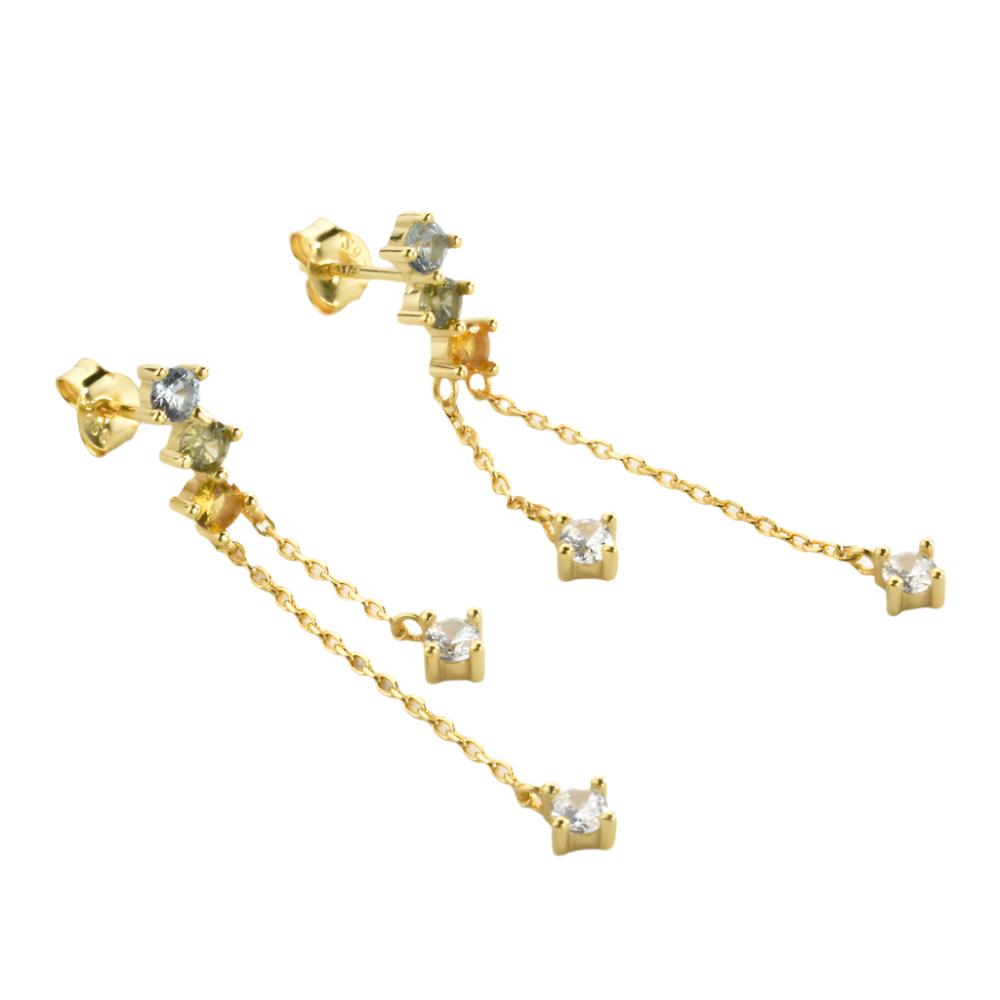
Solid gold is a beautiful investment for healed piercings, especially if you are creating a curated ear or choosing a piece you will wear on repeat. It brings a softness and polish that works brilliantly with delicate stones, sculptural shapes and matching sets.
The key word is solid. Gold-plated and gold-tone jewellery can look convincing at first, but the outer layer may wear away over time, particularly on pieces exposed to skincare, sweat, water and movement. Once the base metal is exposed, it can irritate sensitive skin and lose its finish quickly.
For body jewellery, choose high-quality solid gold from a trusted specialist. 14k and 18k gold are popular choices because they balance precious-metal content with the strength needed for jewellery worn daily. Pure 24k gold is too soft for most piercing designs, while lower carats can contain a higher proportion of other metals.
18k gold has a richer colour and a luxurious feel, making it especially striking in lobes, healed helix piercings and nose jewellery. It does need thoughtful wear: fine chains, tiny claws and delicate designs deserve the same care you would give any premium jewellery. Take pieces out for activities where they could snag, and keep them away from harsh cleaning products.
Best for
Solid gold is ideal for fully healed lobes, helix, conch, tragus and nose piercings when you want a polished, lasting look. It is a particularly strong choice for gifting and for building a coordinated collection rather than buying one-off pieces.
Surgical steel: durable, but not for everyone
Surgical steel is common in body jewellery because it is strong, affordable and has a bright, polished finish. However, the term can cover different grades and compositions. Many steel alloys contain nickel, which is a problem for people with nickel sensitivity.
That does not mean everyone needs to avoid steel. Plenty of people wear quality surgical steel comfortably in healed piercings. But if you have had a reaction to watches, belt buckles, inexpensive earrings or mystery-metal rings, it is sensible to choose titanium or solid gold instead.
Steel is heavier than titanium, too. In a lobe hoop, that may not bother you at all. In a cartilage piece or a larger navel bar worn all day, the extra weight can become noticeable. Consider the placement as well as the price tag.
Best for
High-quality steel can work well in healed piercings for wearers without nickel sensitivity, particularly when you want a durable, straightforward everyday piece.
Sterling silver: beautiful, with a few boundaries
Sterling silver deserves a place in a jewellery collection, but it is not a universal answer for body piercings. It is stylish, versatile and especially lovely in lobe jewellery, charms and necklaces. Its cool tone works beautifully with Gothic-inspired designs, celestial details and more understated everyday looks.
Yet silver can oxidise, especially when exposed to moisture, cosmetics and the natural oils of the skin. That tarnish is usually easy to polish away, but silver is not recommended for fresh or unhealed piercings. In some cases, prolonged contact with a healing piercing can cause staining or irritation.
For a fully healed lobe piercing, sterling silver can be a gorgeous choice, provided you care for it properly and your skin is happy with it. Remove it before swimming or showering where possible, dry it carefully and store it away from humidity. If your piercing ever becomes sore, swollen or unusually discoloured, switch back to a known body-safe material and speak to a professional piercer.
Best for
Sterling silver works best for fully healed lobe piercings and occasional-wear pieces where its distinctive finish is part of the appeal. It is less suited to long-healing placements or jewellery you never plan to remove.
Do not forget the details beyond the metal
A great metal can still cause trouble if the jewellery is poorly made. Smooth polish, secure settings, an appropriate gauge and the correct bar length all affect comfort. A post that is too short can put pressure on swelling, while one that is too long can catch on hair, clothing and headphones.
Threading matters, too. Internally threaded jewellery or threadless designs are often kinder to the piercing channel than externally threaded pieces, because the threaded section does not pass through the skin. This is especially worth considering for cartilage and other placements that can be prone to irritation bumps.
Think about your day-to-day life before choosing a design. Sleepers may prefer low-profile flat-back studs. If you wear over-ear headphones, a large conch piece might not be your easiest everyday option. A bold navel bar can be perfect for holiday outfits but less practical beneath high-waisted jeans. The best jewellery is not simply the prettiest piece in the tray - it is the piece that fits your piercing and your routine.
Choose for your skin, placement and style
If you are healing, titanium is usually the safest starting point. If your piercing is settled and you want a premium finish, solid gold offers lasting style with the right quality and care. Steel can be dependable for those without nickel sensitivity, while sterling silver is best saved for healed piercings and considered wear.
At London Loves Body Jewellery, the aim is never to make you choose between comfort and a look that feels like you. Start with the metal your piercing needs, then have fun with the details: a tiny gold star in a healed helix, a silver charm in your favourite lobe stack, or a matching set that makes getting dressed feel a little more intentional.
When in doubt, let a professional piercer assess the piercing before you change the jewellery. A few minutes of expert advice can save weeks of irritation, and leave you free to wear the piece you really love.