
Body Jewellery Materials Guide for Every Piercing
The piece that looks perfect in a curated ear stack can be completely wrong for a fresh helix. That is why a good body jewellery materials guide is about more than choosing between silver and gold tones. The metal against your skin affects comfort, healing, durability and how confidently you can wear your favourite jewellery every day.
At London Loves Body Jewellery, our experience as professional piercers informs every collection. We love a statement charm, a delicate gold hoop and a Gothic detail as much as anyone, but the right material always comes first. Start with your piercing’s age, placement and sensitivity, then choose the finish that makes it feel like you.
Body jewellery materials guide: start with your piercing stage
There are two very different jobs body jewellery can do. Fresh or still-healing piercings need a material chosen for biocompatibility, a smooth finish and minimal irritation. Healed piercings give you far more freedom to wear sterling silver, plated designs and decorative pieces for the look you want.
A piercing may look healed on the outside before the channel inside has fully settled. Cartilage, navel and nipple piercings can take considerably longer than an earlobe, and everyone heals at a different pace. If there is tenderness, swelling, persistent crusting or discharge, treat the piercing as unsettled and speak to your piercer before changing the jewellery.
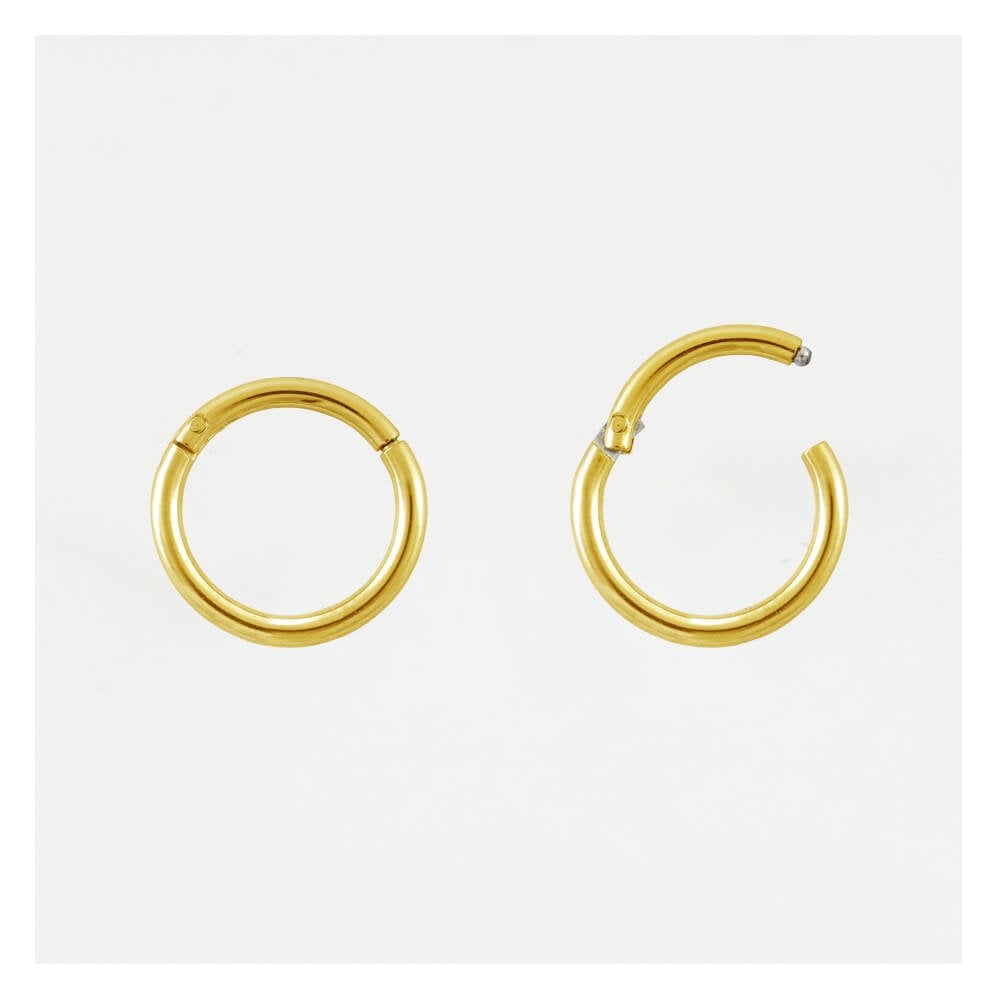
Material matters, but so do the details. The correct bar length or hoop diameter prevents pressure, while a polished surface and secure closure reduce snagging. A beautifully made 18k gold clicker still needs to be the right size for your daith or helix. This is where professional piercing advice makes a real difference.
Titanium: the go-to for sensitive and healing piercings
Implant-grade titanium is widely regarded as one of the best choices for fresh piercings and people with metal sensitivities. It is lightweight, highly corrosion-resistant and nickel-free, so it is particularly useful in placements that can stay tender for a while, such as tragus, conch, navel and nostril piercings.
Its low weight is an overlooked advantage. A larger decorative top may feel easy in titanium where the same design in a heavier metal could pull on a healing piercing. Titanium can also be anodised into a range of colours without applying a conventional coating, making it possible to enjoy rose-gold-inspired, rainbow or bold colour looks while prioritising comfort.
Not every item labelled titanium is equal, though. For a new piercing, look for jewellery specified as implant-grade and fitted by a reputable piercer. Save mystery metal pieces and low-cost fashion jewellery for later, if at all.
Gold: a premium choice when quality is clear
Gold body jewellery has an unmistakable warmth, whether you are building a soft yellow-gold ear party or mixing silver and gold for a more personal look. Solid 14k or 18k gold is a premium option for established piercings, and high-quality solid gold can also be suitable for fresh piercings when it is appropriately made, smooth and free from problematic alloys.
The karat matters. Pure 24k gold is too soft for most body jewellery, so it is alloyed with other metals for strength. 14k gold is durable and practical for daily wear. 18k gold contains more gold, giving it a richer colour and luxurious feel, though it is softer and usually costs more. Neither is automatically better for every person - it depends on your budget, lifestyle and the design you love.
Be careful with vague wording. Gold plated jewellery has a thin layer of gold over another base metal. It is a brilliant fashion option for a healed piercing and occasional statement wear, but sweat, skincare, friction and everyday movement can eventually wear that layer away. Gold vermeil uses a thicker gold coating over sterling silver, often offering a more elevated finish, yet it still needs gentle care.
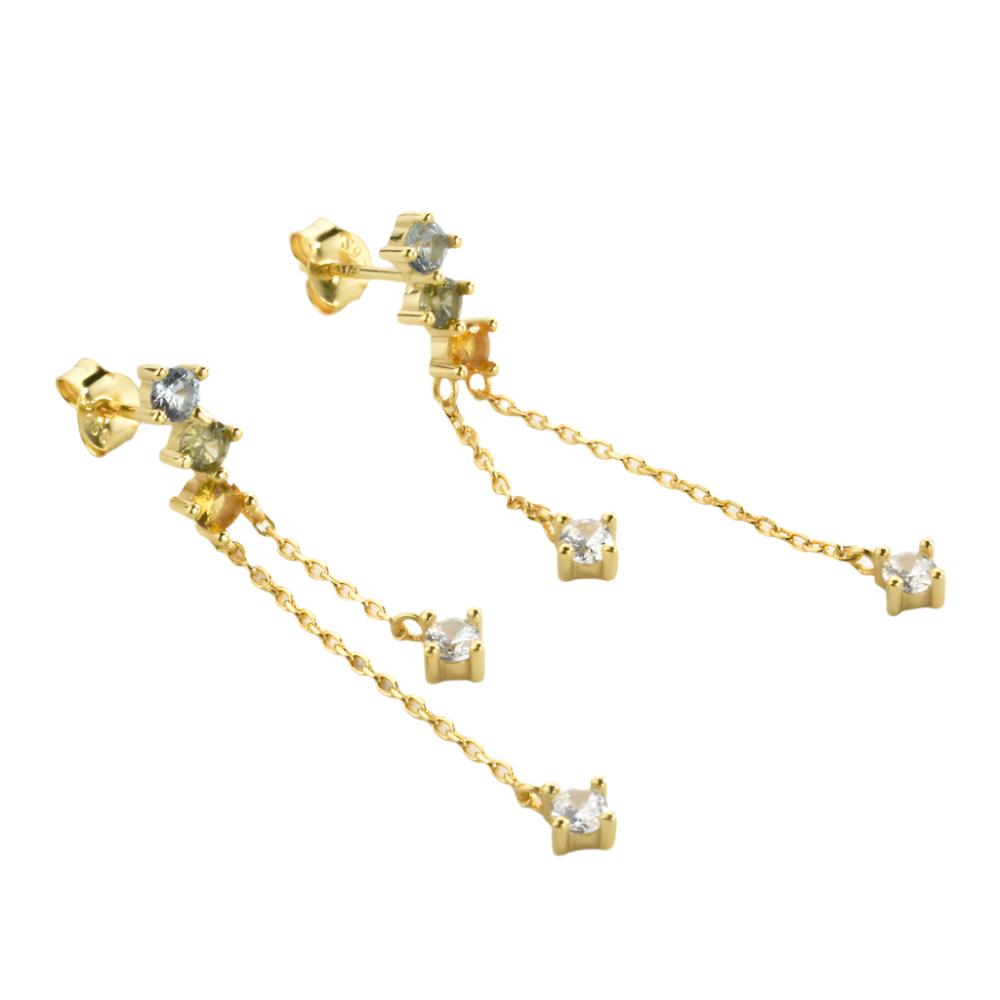
For a piece you plan to sleep in, shower in and wear for years, solid gold is the stronger investment. For a seasonal charm, a festive stack or a gift with a particular theme, plated jewellery can bring plenty of style at a more accessible price.
Sterling silver: beautiful for healed piercings
Sterling silver is central to many elegant, wearable jewellery collections. It has a bright, cool shine that works beautifully with crystal details, celestial motifs and everyday huggies, and it is an excellent choice for healed lobe piercings and carefully chosen healed placements.
It is not, however, the standard choice for fresh piercings. Sterling silver can tarnish when exposed to moisture and air, and the copper within the alloy may not suit sensitive or healing skin. If your piercing is fully settled and you know you tolerate sterling silver well, it offers a gorgeous way to add polish to your look.
Tarnish is normal rather than a sign that your jewellery is poor quality. Take sterling silver out before swimming or applying perfumes and lotions, then clean it gently with a soft jewellery cloth. Store pieces dry and separately where possible, especially delicate necklaces, studs and matching sets that can scratch each other.
Surgical steel and niobium: useful options with caveats
Surgical steel is common in body jewellery because it is hard-wearing, affordable and has a classic polished finish. Many people wear it comfortably, particularly in healed piercings. The catch is that most surgical steel contains some nickel. If you have a known nickel allergy, recurring irritation or unexplained sensitivity to fashion jewellery, titanium is usually the safer direction.
The term “surgical steel” covers several grades, so it does not tell you everything about composition or suitability by itself. Buy from specialists who can clearly explain the material and avoid treating the label as a blanket guarantee.
Niobium is another nickel-free material worth knowing about. Like titanium, it is resistant to corrosion and can be coloured through anodising. It is slightly heavier and softer than titanium, but it can be a great option for sensitive, healed piercings and colourful looks without relying on surface plating.
Materials to avoid in new or irritated piercings
Fresh piercings are not the place to experiment with acrylic, silicone, wood, resin, low-grade plated metals or unidentified alloys. These materials may have porous surfaces, chips, seams or coatings that harbour bacteria or cause irritation. They can be fun in fully healed stretches or as occasional accessories, but they require the right context and careful cleaning.
Avoid changing jewellery simply because a piercing feels itchy or looks a little red. The issue may be the fit, pressure from sleeping, over-cleaning, hair products or a snag rather than the material alone. If a piercing is hot, increasingly painful, very swollen or producing coloured discharge, seek professional medical advice. A reputable piercer can also assess whether a longer bar, different closure or implant-grade titanium swap would help.
Choose material and style together
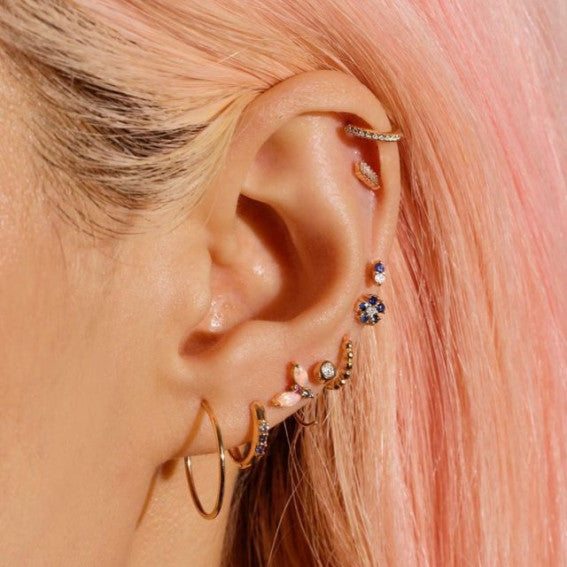
Once your piercing is healed, the enjoyable part begins. A small solid-gold stud can anchor a mixed-metal ear stack, while sterling silver hoops create a clean, cool-toned everyday base. Add charms, stars, hearts or themed details to express your mood without compromising on how the jewellery sits.
Think about your routine too. If you train, sleep on one side or regularly wear headphones, choose low-profile pieces in vulnerable areas such as the tragus and helix. A dramatic conch hoop may be your weekend favourite, while a smooth flat-back stud is often easier for work, travel and daily wear.
The best body jewellery should not make you choose between comfort and personality. Match the material to the stage of your piercing, choose a fit that respects the placement, and then have fun finding the piece that makes your reflection feel a little more like you.