
Industrial Bars: Style, Fit and Materials Explained
An industrial piercing makes a statement before you have even chosen an outfit. Two cartilage piercings connected by one straight bar create a clean, deliberate line across the upper ear, and the jewellery is what gives that line its personality. The best industrial bars balance style with the details that make all the difference: a precise fit, skin-friendly material and ends that feel like you.
What makes an industrial bar different?
An industrial bar is a straight barbell worn through two separate, aligned piercings in the upper cartilage of the ear. It is often placed from the forward helix towards the outer helix, although placement is always led by your individual anatomy. Not every ear has the right ridge, depth or angle for a traditional industrial, so a professional piercer should assess this before piercing.
That alignment is why this jewellery cannot be treated like a standard helix stud. The bar passes through both piercings at once, which means its length, gauge and angle must work together. A bar that is only slightly too short can put pressure on the cartilage. One that is too long may catch in your hair, mask, headphones or clothing and move more than it should.
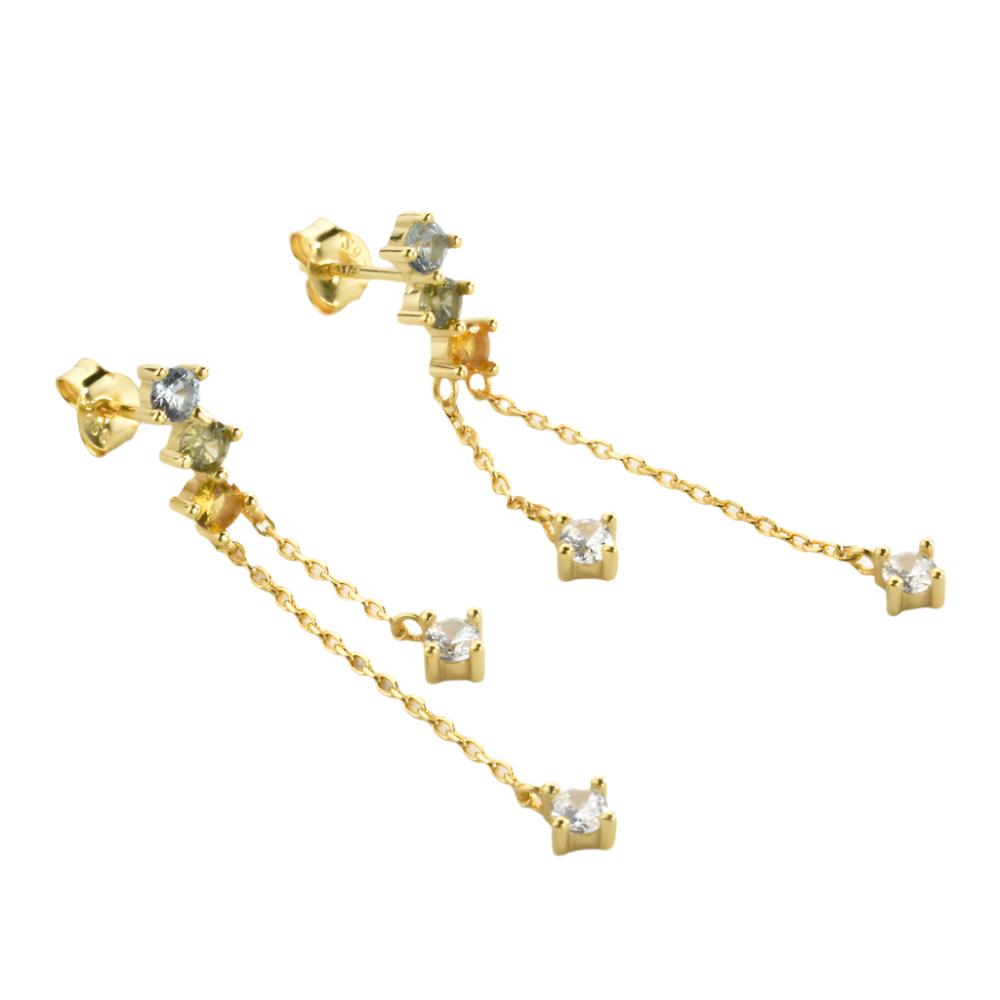
For a healed industrial, the fun starts with the finish. A simple polished bar has a sleek, minimal look. Choose crystal ends, stars, hearts, snakes, celestial details or a subtle gem drop when you want your curated ear to feel more personal.
Choosing the right industrial bars for your ear
Fit is not a guesswork exercise. Industrial piercings vary more than most people expect, even when two ears appear similar at a glance. Your original bar length may have allowed extra room for initial swelling, while a fully healed piercing often needs a shorter, neater bar. Do not downsize by assumption - have your piercer measure the distance and check that the jewellery sits without pressing into either entry point.
Length and gauge
Most industrial jewellery uses a 1.6mm gauge, commonly referred to as 14g. Length is measured between the two ends of the bar, not including the balls or decorative attachments. Common lengths can range from around 32mm to 40mm, but the correct size is the one that follows your piercing channels comfortably.
When a bar is well fitted, it should not feel tight, leave dents in the surrounding tissue or sit at an awkward angle. Equally, it should not swing freely every time you turn your head. If the ends seem to pull forwards or backwards, the issue may be the bar length, the angle of the piercing or the size of the attachments. A good piercer can tell the difference.
Threading and closures
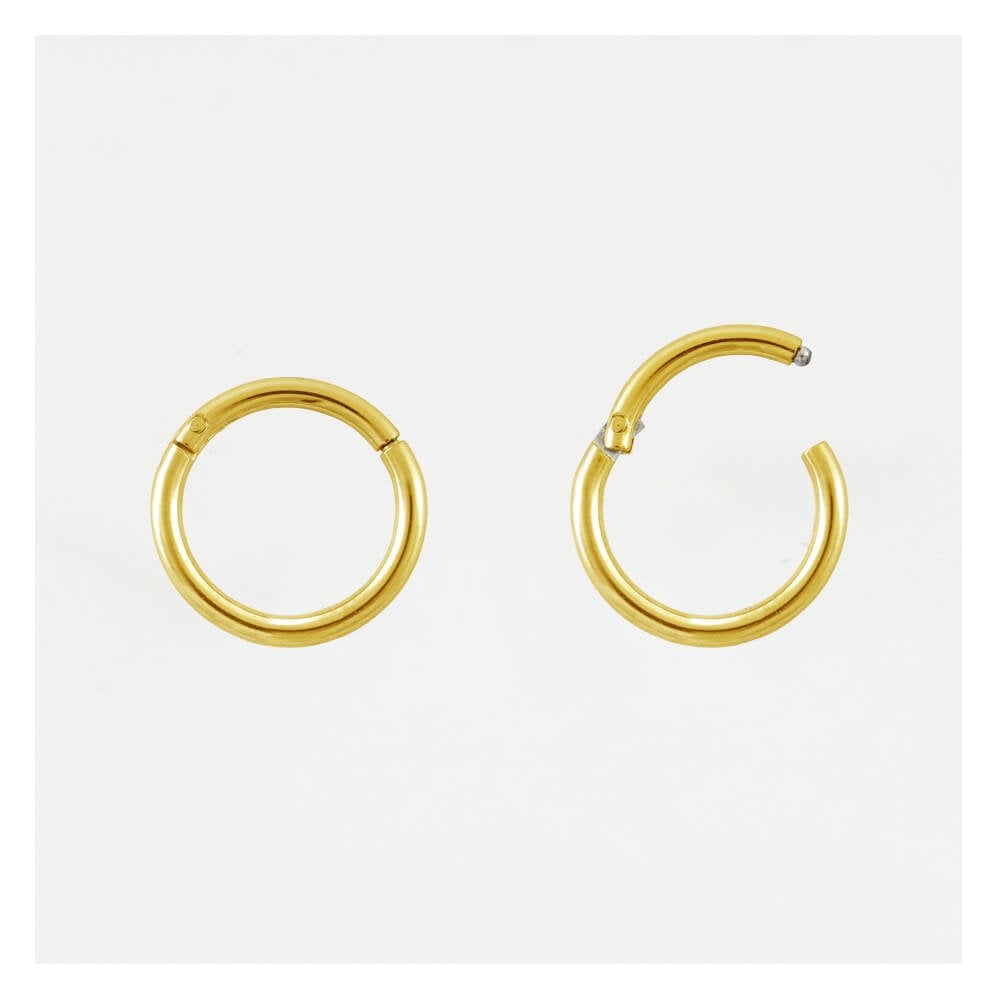
Externally threaded jewellery has a screw section that passes through the piercing, whereas internally threaded jewellery places the smooth bar through first and secures the end afterwards. Threadless ends use a tiny pin that pushes into the bar. For cartilage, internally threaded or threadless styles are often the more comfortable choice, especially when changing jewellery, because there is no textured screw section moving through the channel.
Always check how your chosen piece closes before buying. Decorative ends can be larger than classic balls, and some pieces are designed for a specific side or orientation. That is not a problem, but it is worth knowing before you are standing at the mirror with freshly washed hands.
Materials that feel as good as they look
Material matters, particularly with cartilage. A stylish finish is only worthwhile if the metal is suitable for regular wear and works with your skin.
Implant-grade titanium is a popular choice for many piercing wearers because it is lightweight and generally well tolerated. It is particularly sensible for newer piercings when approved by your piercer, and it offers a clean, contemporary silver-toned look without adding unnecessary weight.
Solid 14k or 18k gold can bring warmth and a more elevated finish to a healed industrial. Look for solid gold rather than plated jewellery if you want a piece for frequent wear. Gold is not one-size-fits-all, though: the quality of the alloy, the construction of the piece and your own sensitivities all matter. If you are prone to reactions, choose carefully and speak to a professional piercer before changing jewellery.
Sterling silver has a beautiful bright tone and works brilliantly for occasional styling in fully healed piercings, but it is not the usual first choice for a fresh or irritated cartilage piercing. Silver can tarnish and may not suit prolonged wear in every piercing. Save it for when your industrial is settled and you know how your skin responds.
A high-quality finish should feel smooth, with secure ends and no rough edges around settings. This is one area where cheap fashion jewellery often disappoints. The bar may look good in a photo, but poor plating, sharp threads or loose stones can quickly take the shine off wearing it.
Styling industrial jewellery without overcrowding your ear
Because an industrial spans such a visible part of the ear, it can act as the focal point of a curated look. A plain gold bar paired with tiny gold lobe hoops feels polished and understated. A silver bar with black stones or gothic details brings more contrast, especially alongside a conch hoop or small helix stud.
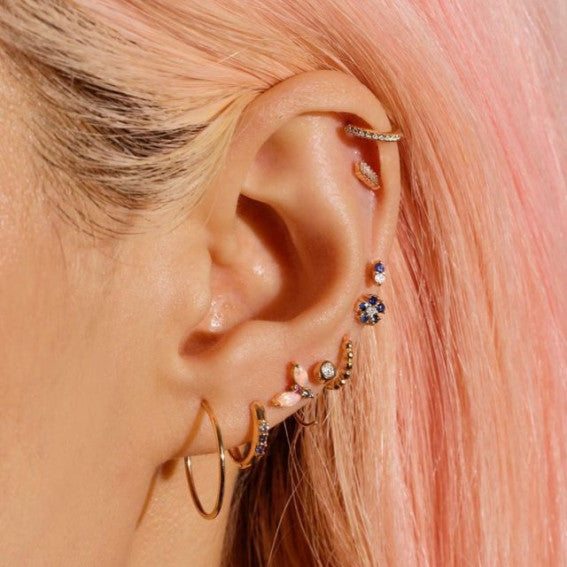
If your industrial has statement ends, keep nearby jewellery simpler. A detailed snake, butterfly or crystal bar already has visual movement, so tiny studs in the lobe or tragus stop the ear from looking busy. If you prefer a fuller ear stack, repeat one detail - perhaps clear crystals, stars or warm gold - rather than mixing several competing motifs.
Consider proportion as well as colour. Large ball ends can make a narrow ear look crowded, while fine ends may get lost beside chunky hoops. The most flattering choice is rarely the trendiest one in isolation. It is the piece that suits your ear shape, existing piercings and how you actually dress day to day.
When can you change an industrial bar?
Cartilage takes patience. Industrial piercings can take many months to settle fully, and because one piece connects two piercing sites, movement or irritation at either end can affect the whole piercing. Do not change your initial jewellery simply because swelling has gone down or because you are ready for a new look.
Your piercer should advise when it is appropriate to downsize and when the piercing is healed enough for a style change. If there is ongoing tenderness, heat, swelling, discharge or a bump, leave the jewellery in place and seek professional advice. Removing it yourself can make matters harder, particularly if the channel begins to close.
Once healed, change jewellery with clean hands and take your time. Avoid forcing threads, twisting the bar repeatedly or experimenting with a length that has not been measured. If an end will not come loose, a piercer can remove it safely without scratching the bar or stressing your ear.
A smarter way to shop for an industrial
Start with the specifications you already know: gauge, measured wearable length, preferred metal and closure type. Then choose the design. This order makes it far more likely that the piece you fall for will also be one you can wear comfortably.
At London Loves Body Jewellery, the focus is on premium, style-led pieces selected with professional piercing experience in mind. Whether your look leans minimal, celestial, gothic or bright and feminine, choose a bar that feels considered rather than merely decorative.
Your industrial does not need to match every other piercing perfectly. Give it room to be the standout detail, then build the rest of your ear around the colours, shapes and metals that make you feel most like yourself.