
Sterling Silver vs Titanium for Body Jewellery
A new helix or nostril piercing deserves more thought than simply choosing the prettiest charm. In the sterling silver vs titanium decision, the best metal depends on whether your piercing is fresh or healed, how sensitive your skin is, and whether you want an everyday staple or a style-led finishing touch.
Titanium is usually the practical first choice for body jewellery, particularly for new piercings. Sterling silver earns its place in a jewellery collection for its bright, elevated look and detailed designs, but it needs more careful placement and wear. Knowing the difference helps you build an ear stack, nose look or curated collection that feels as good as it looks.
Sterling silver vs titanium: the key difference
Sterling silver is a precious-metal alloy made from 92.5% silver, which is why it is often marked 925. The remaining percentage is usually another metal, commonly copper, added to make silver strong enough for jewellery. It has a distinctive cool-white shine and suits everything from polished huggies to celestial charms, gothic motifs and coordinated sets.
Titanium is a lightweight metal valued in professional piercing for its excellent compatibility and strength. Quality body jewellery is often made from implant-grade titanium, with the grade clearly stated by the seller. It is not a precious metal in the same sense as silver, but it is exceptionally useful where comfort and long-term wear matter most.
The choice is not about one metal being universally better. It is about choosing the right metal for the piercing, the stage of healing and the way you wear your jewellery.
For fresh piercings, titanium is the safer starting point
Fresh piercings need jewellery that is smooth, stable and unlikely to cause unnecessary irritation while the area settles. Implant-grade titanium is a trusted option because it is lightweight, highly corrosion-resistant and generally suitable for people with metal sensitivities. It is particularly popular for cartilage, nostril, navel and nipple piercings, where healing can take time and jewellery needs to stay comfortable through daily life.
Sterling silver is not usually recommended for an unhealed piercing. Silver can tarnish when exposed to moisture, skincare, sweat and natural body fluids. The copper in sterling silver may also discolour the skin or react poorly in a healing channel. That does not make sterling silver poor-quality jewellery - it simply makes it better suited to fully healed piercings and occasional wear rather than the initial healing period.
If you are being pierced, ask your piercer for implant-grade titanium and wait until the piercing is fully healed before switching to decorative pieces. Healing times vary significantly by placement and by person, so your piercer’s advice should always take priority over a calendar date.
Sensitive skin and nickel concerns
Titanium is naturally nickel-free, which makes it a strong option if you have reacted to earrings or body jewellery in the past. A light, itchy or sore piercing is not always an allergy - fit, pressure, over-cleaning and a snagged bar can all be factors - but choosing a high-quality material removes one common concern.
Sterling silver does not normally contain nickel as part of its standard 925 alloy, but exact formulations can vary. More importantly, plated components, charms, jump rings and low-cost mixed-metal fittings are not always as straightforward as the main piece appears. If your skin is highly reactive, look for clear material information rather than relying on a silver-coloured finish.
Comfort, weight and everyday wear
Titanium wins on weight. This matters more than it may seem, especially in multiple ear piercings or larger pieces. A titanium labret in a helix or conch feels barely there, while a heavier piece can put pressure on cartilage, catch on hair or make sleeping awkward.
Sterling silver has a satisfying, premium feel but is noticeably denser. For healed lobe piercings, that weight can be part of the appeal - particularly in a statement hoop or drop design. For a delicate upper-ear placement, however, a substantial silver piece may not be the most comfortable choice for all-day or overnight wear.
Consider the jewellery style as well as the metal. A small sterling silver stud can be perfectly comfortable in a healed lobe, while an oversized titanium hoop may still feel impractical if it catches on scarves, headphones or your favourite knitwear.
Durability, tarnishing and care
Titanium is impressively low-maintenance. It does not tarnish like silver and stands up well to water, sweat and everyday wear. That makes it ideal for jewellery you want to fit and forget, within sensible piercing-care habits. It is also strong enough for finely threaded ends and secure flat-back labrets without adding bulk.
Sterling silver needs a little more attention. Tarnish is a natural surface reaction, not a sign that the jewellery is ruined. It can usually be polished away with a suitable silver cloth, but body jewellery should be cleaned carefully around threaded sections, stones and delicate detailing. Avoid harsh chemical dips, particularly if a piece includes crystals, enamel or oxidised finishes designed to create contrast.
Remove sterling silver before swimming, showering or using perfume and hair products where possible. This is especially worthwhile for intricate earrings, nose jewellery and charms, where residue can dull the finish. Store pieces dry, separately and away from direct humidity to keep their shine for longer.
Style is where sterling silver shines
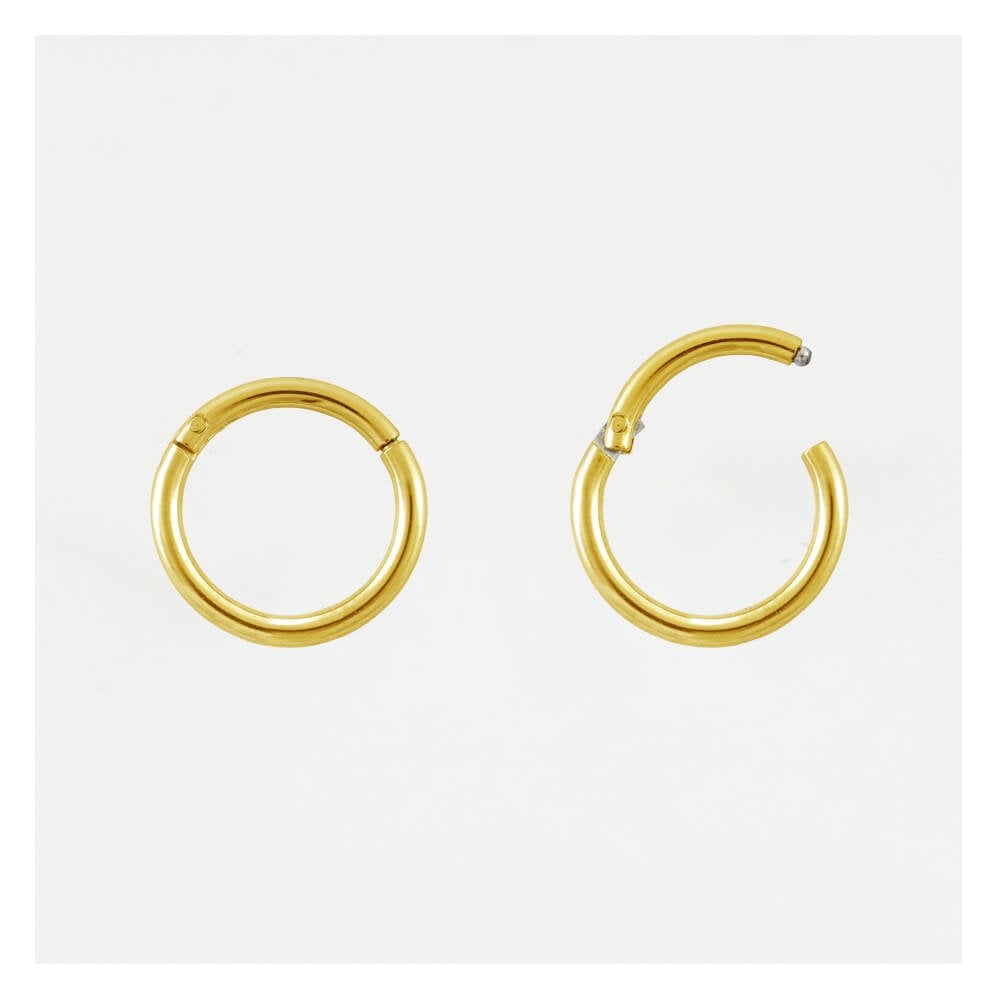
Titanium has come a long way from purely functional piercing jewellery. It can be polished to a sleek silver tone and anodised in colours such as gold, rose, blue, purple and green without relying on a surface paint. It is brilliant for minimalist stacks, tiny gemstones, discreet nostril studs and everyday cartilage jewellery.
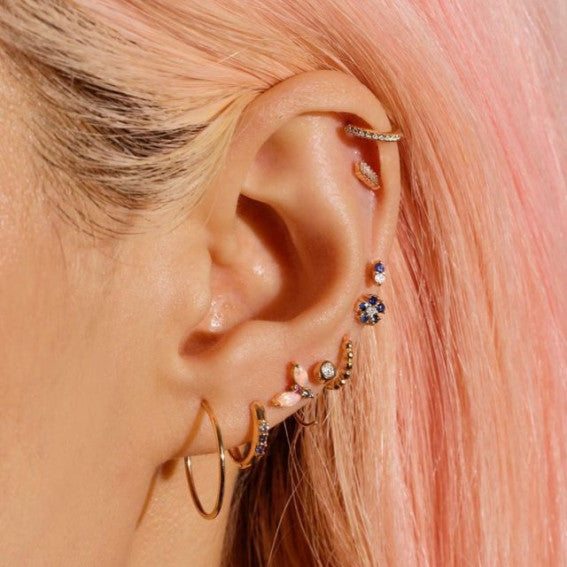
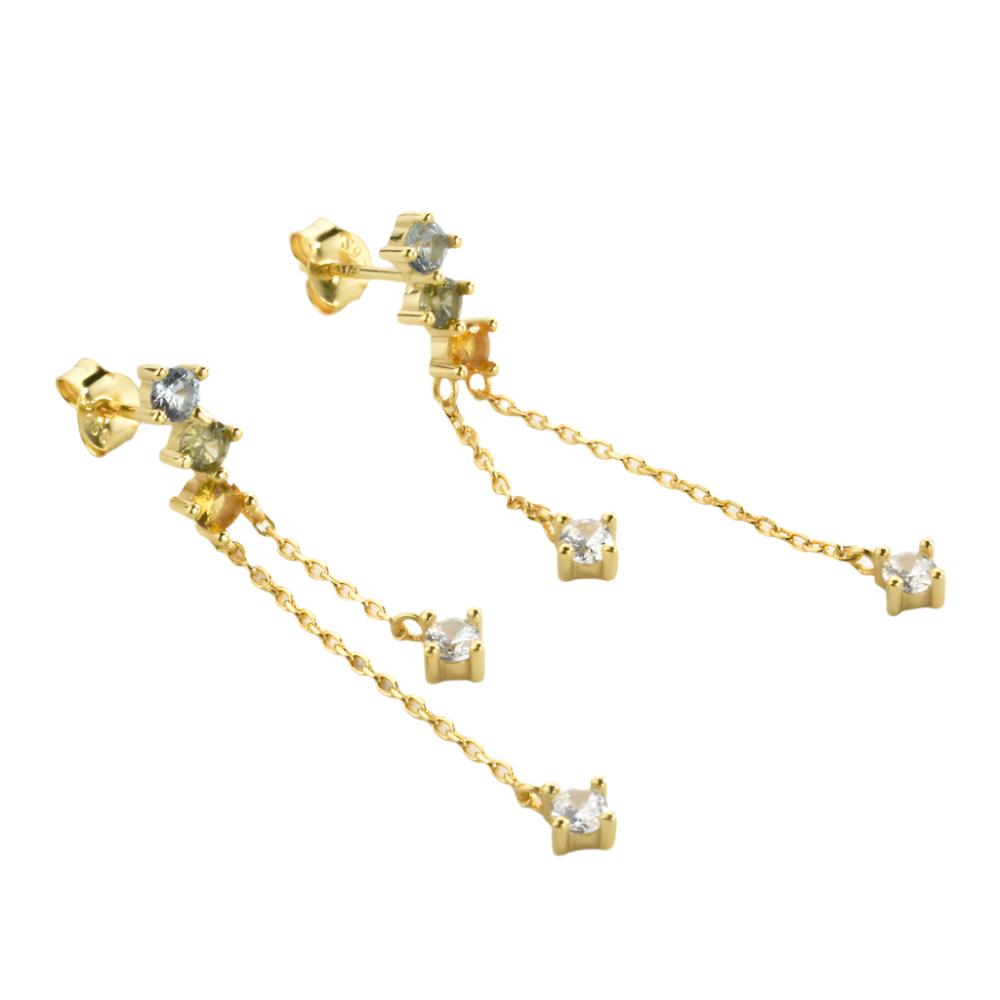
Yet sterling silver offers a different kind of jewellery appeal. Its bright finish, precious-metal status and ability to hold detailed shapes make it ideal for a more considered, dressed-up look. Think moon and star details, textured hoops, hearts, snakes, flowers and matching pieces that turn a healed ear stack into an outfit feature.
For many jewellery lovers, the smartest approach is not choosing one metal forever. Keep titanium in placements that are healing, sensitive or worn constantly. Bring in sterling silver for healed lobes or other fully settled piercings when you want more detail, sparkle and personality.
Be careful with plated silver looks
Not every bright silver-coloured item is sterling silver, and not every gold-toned piece is solid gold. Stainless steel, brass and base metals may be plated to imitate a precious-metal finish. Plating can wear with friction, water and skin contact, exposing the metal beneath.
That does not automatically rule out plated jewellery for a night out or a special occasion. It does mean it should not be confused with 925 sterling silver or implant-grade titanium, particularly if you are buying for a sensitive or recently healed piercing. Check product descriptions for the full material, not just the colour.
Which metal suits each piercing?
Placement changes the answer. For a fresh helix, tragus, conch, daith, nostril, navel or nipple piercing, implant-grade titanium is the sensible choice. These areas benefit from a lightweight, stable material while they heal, and a professional piercer can select the right length, gauge and backing for swelling and comfort.
For healed lobe piercings, sterling silver gives you far more freedom to play with style. Small sleepers, charm hoops and matching sets can add a polished finish without the commitment of solid gold. If you have healed cartilage piercings and no history of sensitivity, sterling silver may work for shorter occasions, but titanium remains the easier choice for continuous wear.
Fit is as important as metal. A beautifully made titanium labret that is too short can irritate a piercing, while a well-fitting sterling silver hoop in a fully healed lobe may be completely comfortable. When changing jewellery, choose the correct gauge and wearable length, and never force a piece through a piercing that feels tight or sore.
How to make the right choice when shopping
Start with the piercing’s current condition. If it is new, tender, swollen or still producing crusting, stay with jewellery recommended by your piercer - usually implant-grade titanium. If it is fully healed and settled, you can make style a bigger part of the decision.
Next, think about your routine. Titanium suits busy, low-fuss everyday wear and active lifestyles. Sterling silver suits those moments when your jewellery is part of the outfit: a dinner, holiday, gift, birthday look or a freshly curated lobe stack. At London Loves Body Jewellery, the aim is always to make that choice feel considered rather than complicated, with styles selected by people who understand piercing placement as well as personal taste.
Finally, buy with detail in mind. Look for clear metal descriptions, suitable sizing and secure closures. A great piece should complement your piercing, not leave you guessing what it is made from or whether it will be comfortable by bedtime.
Choose titanium when your priority is healing, sensitivity and effortless everyday comfort. Save sterling silver for healed placements where its shine, detail and fashion-led character can do what it does best: make your jewellery feel unmistakably yours.